

House of Chikankari, a women-led contemporary ethnic wear brand, has raised Rs 25 crore in a Series A funding round led by Cap Alpha Ventures. The startup, which gained national visibility following an appearance on Shark Tank India Season 2, plans to utilize the fresh capital to transition from a digital-first player into a multi-channel retail brand.
The funding round marks a significant step-up for the Delhi-based company, which had previously secured a smaller seed cheque of approximately $639,000 from LetsVenture and a cohort of angel investors. This latest capital injection will be deployed toward product diversification, shoring up working capital, and establishing a physical retail footprint to compete in India’s increasingly crowded organized ethnic wear market.
Mother-Daughter Startup
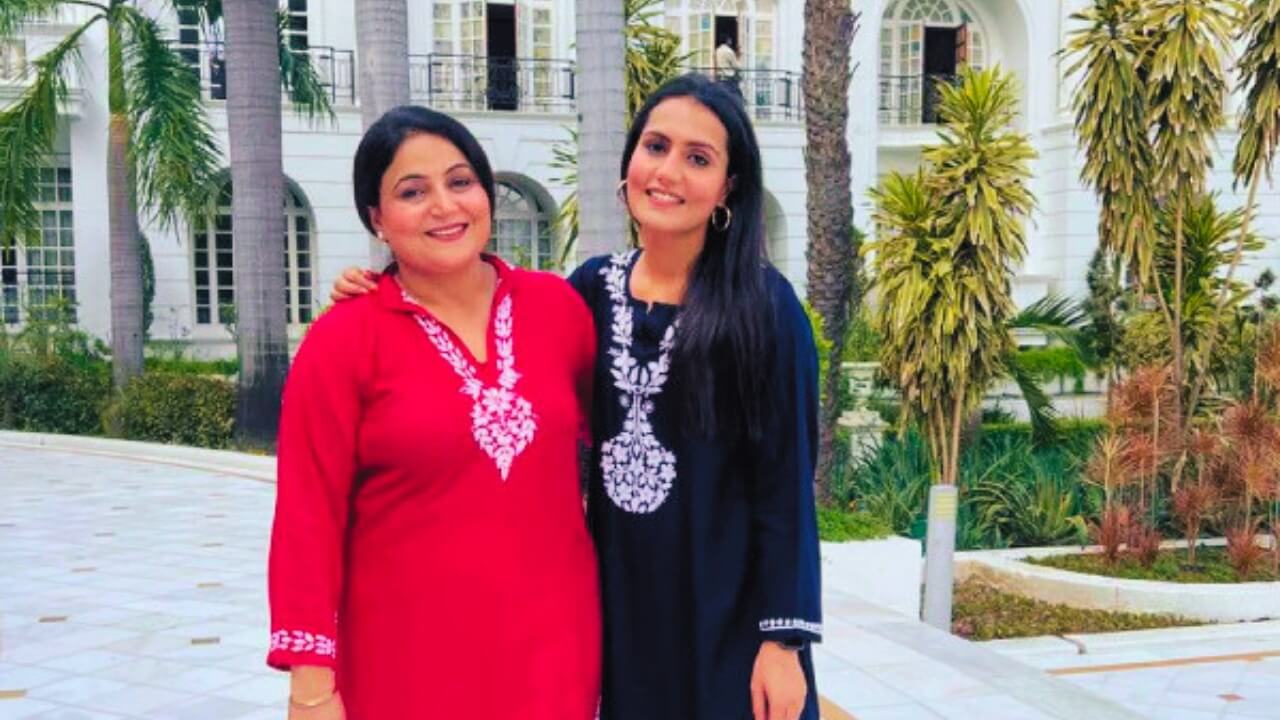
Founded in 2020 by the mother-daughter duo Aakriti Rawal and Poonam Rawal, the brand has attempted to solve a specific problem in the traditional garment industry: the lack of standardized, everyday-wear Chikankari. While the craft is centuries old, it has often been relegated to either the unorganized local markets or high-end designer boutiques. House of Chikankari has found its mettle in the middle-ground, blending heritage embroidery with contemporary silhouettes like kaftans, tops, and shirts.
The startup’s growth trajectory has been steady, with the company reporting over 50% growth in FY26. It currently operates at an annual revenue run rate (ARR) of Rs 50 crore. Despite the steep climb required to scale a craft-based business, the company claims to have built a community of over 2 lakh customers, largely driven by its proprietary digital channels.
Fixing Supply Chains
For an ethnic wear brand, the primary challenge is the "cash leak" associated with unorganized supply chains and high return rates in e-commerce. House of Chikankari manages this by supporting a network of over 10,000 artisans. By bringing this fragmented workforce under a structured business model, the brand aims to ensure consistent quality—a recurring hurdle for hand-embroidered products.
The investment from Cap Alpha Ventures (formerly Client Associates Alternate Fund) suggests institutional confidence in the brand's ability to maintain these artisan networks while scaling. Beyond domestic borders, the startup has already started testing international waters, shipping orders to over 20 countries including the US, UK, and Australia.
“Our goal has always been to reimagine Chikankari for the modern consumer and make it a staple for everyday wear,” said Aakriti Rawal, Co-founder of House of Chikankari. “This funding allows us to take the next logical step—moving closer to our customers through offline retail. We are focused on building a scalable business that preserves the heritage of hand embroidery while meeting the functional needs of today’s women.”
Omnichannel Model
The transition to an omnichannel model is a capital-intensive move. The startup currently sees over 9 lakh monthly user sessions across its website and app, but the next phase of growth will depend on how effectively it can replicate this digital engagement in brick-and-mortar stores. As customer acquisition costs on social media platforms continue to witness a skyrocketing trend, physical stores are becoming a necessity for D2C brands to maintain brand recall and reduce reliance on digital ads.
“We are targeting multi-fold growth over the next 24 months,” added the leadership team. “Strengthening our board and team, alongside improving our working capital efficiency, will be the immediate priorities. We want to ensure that as we scale, our processes remain as refined as the craft we sell.”
The ethnic wear segment in India is currently seeing a shift where consumers are moving away from nameless labels toward brand-backed quality. With a fresh war chest and a focus on "heritage-to-modern" design, House of Chikankari is positioned to test whether a niche craft can truly sustain a mass-market retail presence. The bigger picture remains the formalization of the artisan economy, a task that requires both financial muscle and operational discipline.